
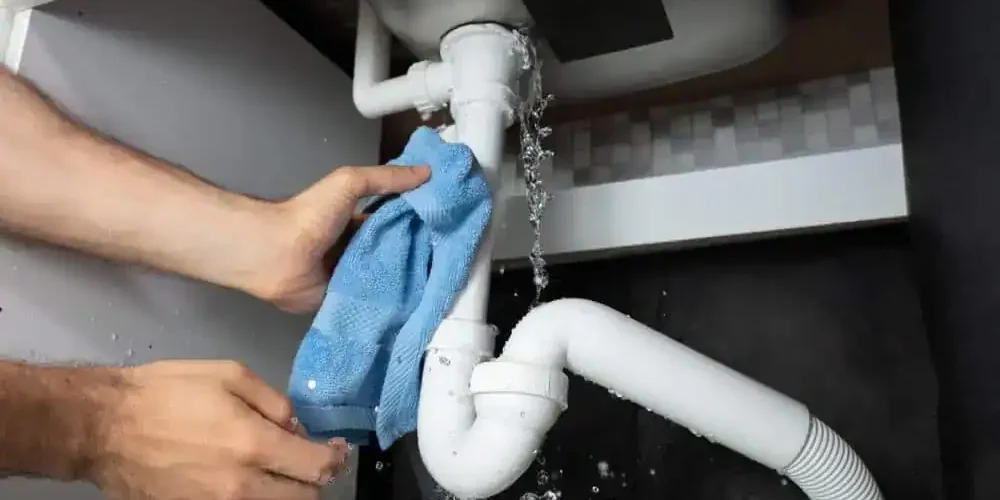
Is a damp spot, musty smell, or unexplained increase in your water bill making you wonder what is happening behind your walls? A hidden leak can cause serious damage long before water becomes visible. The good news is that locating the source does not always require opening large sections of drywall.
A plumber can combine basic plumbing checks with specialized leak detection equipment to narrow down the location of a leak. This process helps reduce unnecessary damage and allows the plumber to recommend a more targeted water leak repair.
Knowing how hidden leaks are found can also help you recognize when a small concern needs professional attention before it affects insulation, flooring, cabinets, or structural materials.
Why Hidden Water Leaks Are Difficult to Locate
Water does not always appear directly beneath the damaged pipe. It can travel along framing, pipes, wiring, insulation, and other building materials before becoming visible.
A stain on the ceiling may originate from a bathroom fixture, an appliance connection, or a supply pipe several feet away. Moisture near the bottom of a wall could come from a pipe inside the wall, a roof leak, condensation, or water entering from outside.
Several plumbing components may also share the same wall cavity. Opening the wall based only on a visible stain can expose the wrong area and create additional repair work.
Professional leak detection focuses on gathering enough evidence to identify the likely source before creating an access point.
Start by Confirming That Water Is Being Lost
Before searching inside walls, determine if the plumbing system is actively losing water. The home’s water meter can provide useful information.
Turn off faucets, appliances, irrigation systems, and other fixtures that use water. Make sure no toilet is refilling and no washing machine or dishwasher is running. Check the meter and record its reading. Wait for approximately 30 minutes without using water, then check it again.
Movement on the meter may indicate a leak somewhere in the plumbing system. This test confirms that water is being used, but it does not reveal the location. A running toilet, leaking outdoor line, dripping fixture, or hidden pipe leak could all cause the meter to move.
Homes with digital meters may display a leak indicator or continuous-flow notification. The meaning of these symbols varies by meter, so consult the utility provider’s instructions if needed.
Rule Out Visible Plumbing Problems First
A hidden leak investigation should begin with accessible fixtures and connections. This process helps eliminate common sources before attention turns to pipes behind walls.
Look beneath sinks and around supply valves for moisture, corrosion, or mineral deposits. Check the bases of toilets for damp flooring. Inspect appliance hoses, exposed basement piping, water heater connections, and exterior faucets.
Some leaks are intermittent. A shower connection may leak only while the shower is running. A dishwasher supply line may drip during a wash cycle. A toilet may refill periodically without making enough noise to attract attention.
Test Toilets for Silent Leaks
A toilet can waste water without leaving a puddle. Add a few drops of food colouring to the tank, then wait without flushing. If coloured water enters the bowl, the tank components are allowing water to pass.
This type of leak will affect the water meter but does not require opening a wall. Repairing the flapper, fill valve, or related component may resolve the water loss.
Check Fixtures Under Normal Use
Run one fixture at a time and inspect the area around it. Watch beneath sinks while water flows. Check around a bathtub or shower after use. Look near the dishwasher, washing machine, and refrigerator water line during operation.
Testing fixtures individually can help determine if the moisture appears only when a specific drain, supply line, or appliance is active.
Look for Signs of Water Behind the Wall
Hidden plumbing leaks often leave clues before the pipe is exposed. The appearance and location of these signs can help a plumber narrow down the problem.
Common warning signs include:
- Brown, yellow, or copper-coloured stains
- Bubbling or peeling paint
- Soft or swollen drywall
- Warped baseboards
- Loose flooring
- Damp carpet
- Musty odours
- Visible mould growth
- Unexplained sounds of running or dripping water
- Areas of the wall that feel cooler than nearby surfaces
A single sign does not confirm that a plumbing pipe is leaking. Condensation, roof damage, drainage problems, and exterior water intrusion can cause similar symptoms. The source must be identified before plumbing repair begins.
How a Plumber Finds a Leak Without Opening the Entire Wall
Professional leak detection relies on a process of elimination. A plumber considers the symptoms, checks the accessible plumbing, and uses appropriate equipment to isolate the affected area.
The exact method depends on the pipe location and the type of leak suspected.
Moisture Meters
A moisture meter measures the amount of moisture in drywall, wood, and other materials. The plumber can compare readings across a wall or ceiling to identify where moisture levels are highest.
This does not show the damaged pipe directly, but it helps map the affected area. Several readings can reveal how far water has spread and where further testing should be focused.
Thermal Imaging Cameras
Evaporating water can create temperature differences on the surface of a wall, floor, or ceiling. A thermal imaging camera displays these temperature patterns.
Cooler areas may indicate moisture behind the surface, although temperature differences can also be caused by insulation gaps, air leaks, ductwork, or exterior conditions. Thermal imaging is most useful when its findings are compared with moisture readings and other evidence.
Acoustic Leak Detection
Water escaping from a pressurized pipe can create sounds that travel through surrounding materials. Acoustic equipment amplifies these sounds, helping the plumber determine where they are strongest.
This method can be useful for leaks inside walls, beneath floors, and in underground water lines. Background noise and pipe material can affect the results, so experience is important when interpreting what the equipment detects.
Plumbing System Pressure Tests
A pressure test can help determine if a water supply line is losing pressure. The plumber isolates part of the system, applies or monitors pressure, and checks for a drop.
If pressure decreases when no water is being used, a leak may be present in the isolated section. Testing smaller sections can help narrow the search.
Drain lines require a different testing process because they do not normally operate under continuous pressure.
Drain Camera Inspections
When moisture appears only after a sink, toilet, tub, or appliance drains, the problem may be in a waste pipe instead of a pressurized supply line.
A waterproof camera can inspect accessible sections of the drain for cracks, separated connections, corrosion, or blockages. A camera cannot travel through every branch or detect moisture outside the pipe, but it can provide valuable evidence when drain damage is suspected.
Supply Line Leaks and Drain Leaks Behave Differently
Understanding when water appears can reveal which side of the plumbing system may be involved.
A supply pipe remains under pressure, so it can leak continuously. The water meter may move even when every fixture is turned off. Damage can continue throughout the day until the water is shut off or the line is repaired.
A drain pipe usually leaks only when water passes through it. Moisture may appear after someone showers, flushes a toilet, uses a sink, or runs an appliance. The water meter may not help identify a drain leak because the lost water has already passed through a fixture.
This distinction helps a plumber choose the right testing method and determine which pipes should be inspected.
Will Any Part of the Wall Need to Be Opened?
Leak detection can reduce the amount of wall damage required, but it cannot always eliminate the need for an opening. The damaged pipe must still be reached to complete the water leak repair.
The advantage of professional detection is precision. Instead of opening a long section of wall to search for the problem, the plumber may be able to identify a smaller access area near the suspected leak.
The amount of access required depends on:
- The location of the damaged pipe
- The type of plumbing material
- The repair method
- The surrounding framing
- The extent of water damage
- The presence of cabinets, tile, or fixtures
A responsible plumber should explain where access is needed and why before opening a finished surface.
Why Finding the Leak Quickly Matters
Water can spread through drywall, insulation, wood, flooring, and cabinetry. Even a small leak can create costly damage when it continues unnoticed.
Persistent moisture can weaken building materials and create conditions where mould grows. It may also reach electrical components or damage belongings stored nearby.
Prompt leak detection can help limit:
- Damaged drywall and insulation
- Warped flooring
- Stained ceilings
- Swollen cabinets
- Wood deterioration
- Water waste
- More extensive restoration work
Turning off the home’s main water supply may be necessary if water is actively spreading. Avoid touching wet electrical fixtures, switches, or outlets. A qualified plumber should inspect the plumbing before the water is restored if a damaged supply line is suspected.
Get a Targeted Water Leak Repair From Sheet Happens Plumbing & Drain
Finding a hidden leak should begin with evidence, not unnecessary demolition. Meter testing, moisture readings, thermal imaging, acoustic equipment, pressure testing, and drain inspection can all help narrow down the source.
Sheet Happens Plumbing & Drain can inspect your plumbing system, locate the likely source of the water, and explain the repair needed to stop it. Our plumbers focus on identifying the problem before opening finished surfaces, helping reduce avoidable disruption inside your home.
If your water bill has increased or signs of moisture are appearing without an obvious source, contact Sheet Happens Plumbing & Drain for professional leak detection and water leak repair.
Recent Post
Need Emergency Plumbing?
Call (832) 225-2071 now!
Reach out to Sheet Happens Plumbing & Drain for fast, reliable emergency plumbing services.
Schedule Service
"*" indicates required fields
